

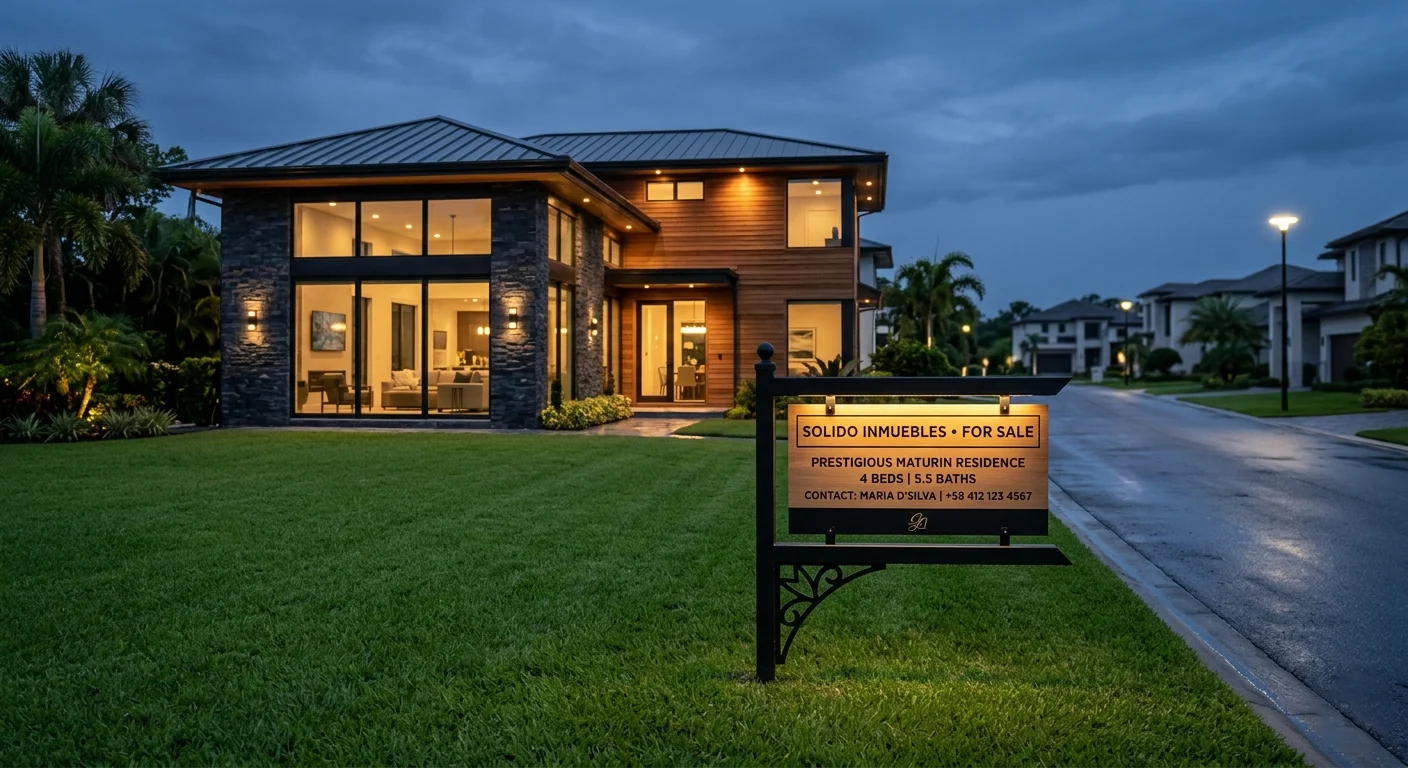
It is a more common situation than it seems: homes that are well-located, in good condition, and even attractive… yet spend months on the market without selling.
And then the question arises: What is going wrong?
In most cases, the problem isn't the property itself. The problem is how it was positioned when it hit the market.
The most important decision—and also the one most often underestimated—is the price.
It is obvious that if a property is listed below its real value, the owner loses money. But what isn't always understood is that listing it above—or significantly above—market value also carries a cost. And that cost is twofold: time and money.
It is obvious that if a property is listed below its real value, the owner loses money. But what isn't always understood is that listing it above—or significantly above—market value also carries a cost. And that cost is twofold: time and money.
In my experience, when a buyer perceives that a home is clearly overpriced, they don’t negotiate from a middle ground. They make aggressive low-ball offers. This is because they understand there is a margin, that the owner is poorly positioned, or that a price adjustment is inevitable.
This usually creates a very negative effect: it demoralizes the owner. They enter the market expecting to sell above market value, only to receive proposals well below it.
Furthermore, there is something important to keep in mind: no one pays more simply because the asking price is higher. The market doesn't work that way. Value is determined by what buyers are willing to pay, not by what one hopes to receive.
When a property doesn't sell within the first few weeks, it starts to lose momentum. Buyers see it, dismiss it… and they don’t come back. As the process drags on, another problem arises: perception.
A property that has been listed for a long time raises doubts. The buyer starts to wonder what’s wrong, why it hasn’t sold, or if there’s a hidden issue they aren't seeing.
In many cases, this leads to a price drop. Far from strengthening the sales position, this reduction often weakens it. Many buyers interpret it as a signal to negotiate even lower.
In the end, what started as a strategy to try and sell at a higher price results in a slower sale and, often, a final price lower than what could have been achieved by listing correctly from the start.
That is why setting the right price is no small matter. It requires analysis, market knowledge, and a deep understanding of what is happening at that specific moment.
It’s not about setting the highest price possible; it’s about finding the price the market will accept in the shortest time possible.
And here is another important point: time also has value. Selling well and on time allows you to access that capital sooner, make decisions, or invest with peace of mind.
In most cases, when a home doesn't sell, it’s not due to a lack of genuine interest. It’s because it isn’t properly positioned.
If you are considering selling your property, this is one of the most important factors to analyze thoroughly before going to market. Let’s Talk